

Researchers at New York University's Tandon School of Engineering have just taken a step closer to creating a wearable that can recognize emotions through the skin and play appropriate music when the user is experiencing a feeling. negative touch.
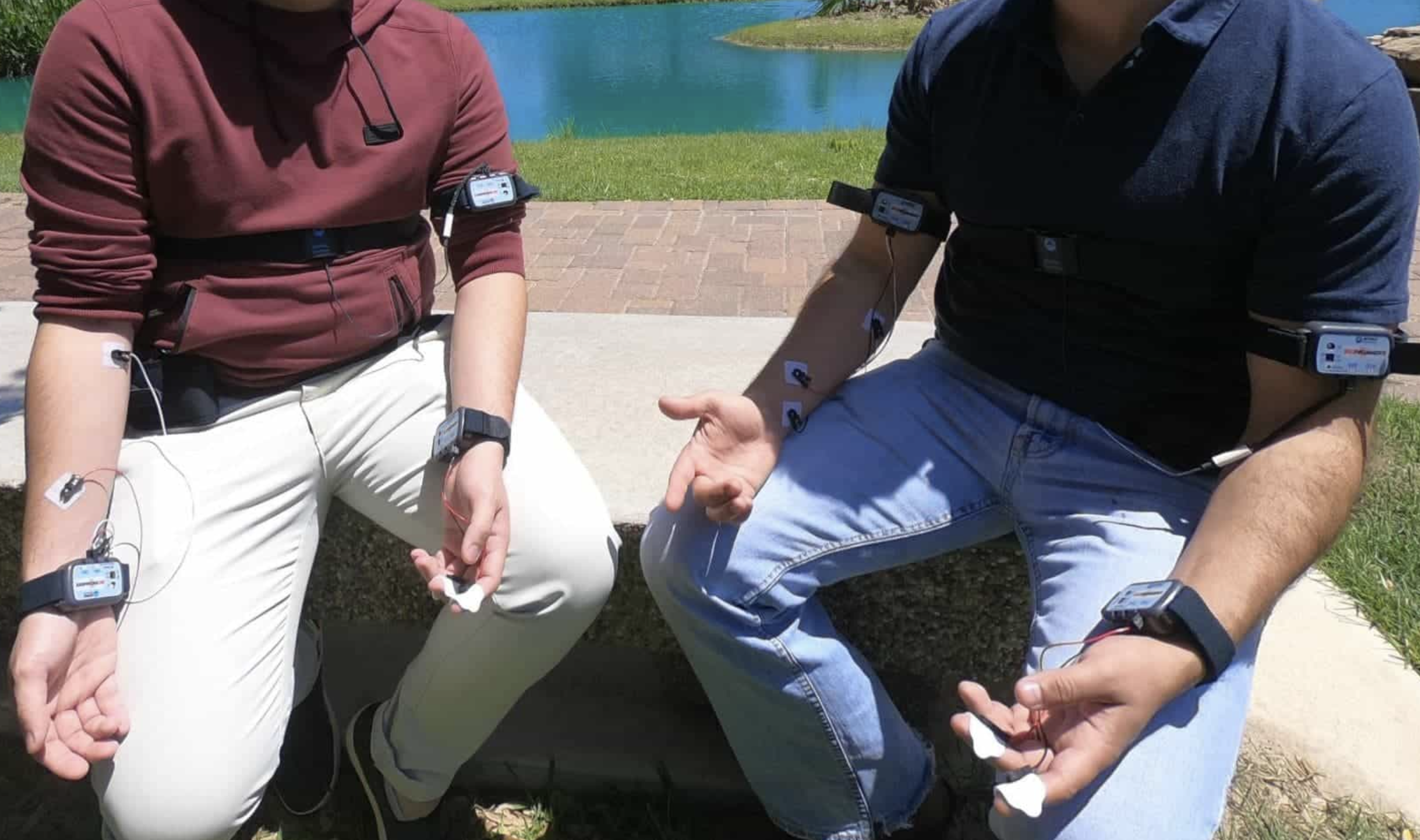
MINDWATCH – a device that helps track emotions through the skin – Photo: Rose Faghih
For the past 7 years, associate professor of biomedical engineering Rose Faghih has been working on developing a device that measures electrical activity through the skin (EDA) to recognize human emotions. EDA is an electrical phenomenon in the skin that changes based on emotional factors. For example, stress from pain, burnout, or rushing at work can change EDA.
Rose Faghih and her former doctoral student, Rafiul Amin, first saw the potential to develop a device that could monitor brain activity through the skin in real time with fairly high accuracy, according to a new study. recently from New York University.
Associate Professor Faghih hopes she will be able to create a device that monitors the wearer's mental state and also helps them become more psychologically stable when under stress.
The temporary device, called MINDWATCH, plays relaxing music when it detects that the user is experiencing waves of negative emotions.
“The device will help monitor and improve the mental health of the user,” explains Ms. Faghih.
The new device has been tested on 26 healthy people and shows it can reliably decode brain signals and convert them into detailed information in seconds.
According to Associate Professor Rose Faghih, in addition to supporting mental health monitoring, MINDWATCH can also help diagnose peripheral neuropathy complications of diabetes.
When nerves transmit stimulation from the brain to other parts of the body, MINDWATCH will measure EDA and monitor areas of the skin that are susceptible to peripheral neuropathy such as the hands or soles of the feet to see the area. There are signs of diabetes in that area.
From the Internet
 English
  Vietnamese